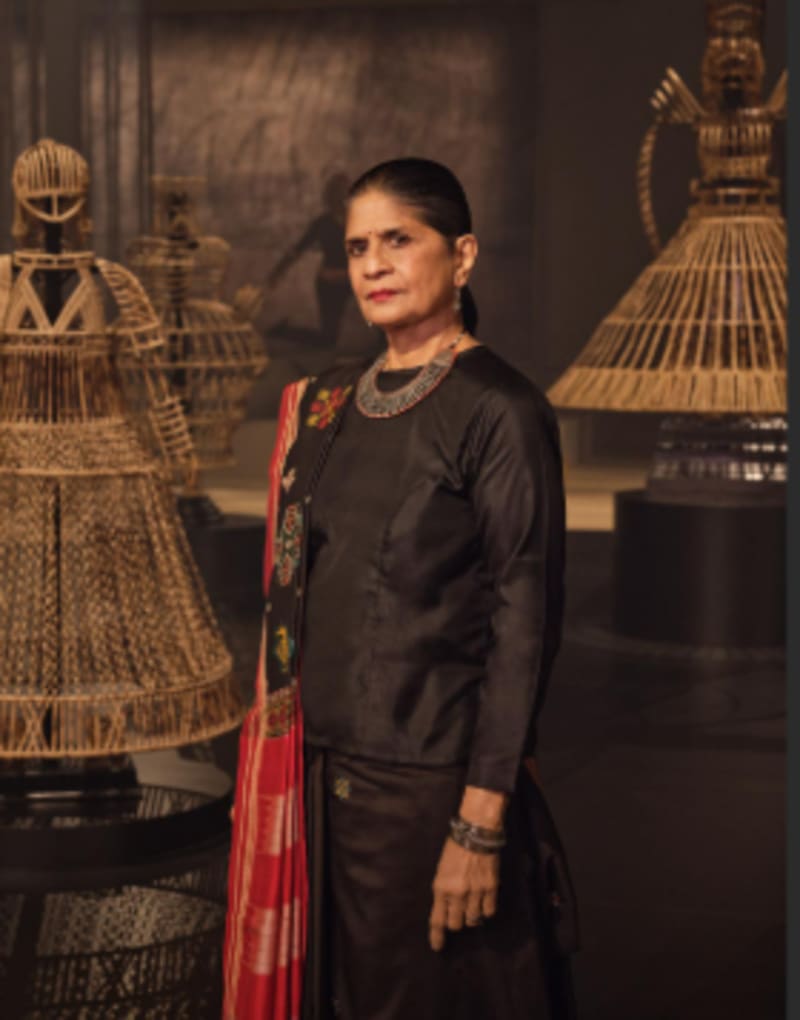
Artist
Shakuntala Kulkarni
Karnataka · Mumbai
Chemould Prescott Road
Biography
Shakuntala Kulkarni is a Mumbai-based, Karnataka-born multidisciplinary artist whose practice engages sculpture, performance, painting, video, and installation to interrogate the constraints imposed on women’s bodies and voices in urban and patriarchal India. Trained at Sir JJ School of Art, MSU Baroda, and Santiniketan under Somnath Hore, Kulkarni’s grounding in mural painting evolved into spatial and performative experiments that continue to address large publics while embodying psychological and social trauma. Kulkarni’s works are often spatially immersive, addressing not just the politics of the female body, but also the embodied experience of confinement, power, protection, and resistance. Her landmark 1994 work Beyond Proscenium marked a shift from painting to performance-oriented installation. Here, sculptural forms created stages that were activated by performers, transforming art into a collaborative space of empowerment. In Caryatid – A Viewpoint (1996), she reflected on the metaphor of the caryatid — the female figure who literally and symbolically bears weight — to interrogate the structural dependence on women in both religious and sociocultural institutions. Reduced Spaces (2001), a multimedia installation, combined video, sculpture, and live performance to address the claustrophobia and violence of patriarchal constraints. Viewers moved through a tight maze of bamboo and gunny sacks while watching projected videos of a woman trapped in restrictive domestic spaces, further enhanced by a live dancer performing slow, controlled Tai Chi-inspired movements, embodying suppressed but potent female energy. Kulkarni’s Ajjincya Goshti (Grandmother’s Tales) (2004), a three-channel video installation, brought together testimonies from elderly middle-class Indian women (aged 78–86), challenging normative ideas about generational wisdom, gender roles, and the modernizing nation. By asking, “who has the right to speak and for whom and about what?”, she revealed the tensions between inherited values and contemporary realities. In her 2007 exhibition and when she roared the universe quaked at Chemould Prescott Road, Kulkarni combined large-format paintings, video, and interactive installations. The title work suspended 152 mixed media paintings from the ceiling, only visible to the viewer through hand-held mirrors — implicating the audience physically and conceptually within the installation. This tactic of viewer-as-participant echoes her early performative strategies from the 1990s. Her acclaimed 2012 project Of Bodies, Armor, and Cages, shown at Chemould Prescott Road, the Kiran Nadar Museum of Art, MMKA (Netherlands), and Art Basel’s Art Unlimited, deepened her exploration of women in public space. Here, Kulkarni constructed intricately woven cane armors — wearable sculptures that blurred the lines between protection and entrapment. These armors transformed the female protagonist into a powerful, mythic figure, but also commented on the burden of needing armor at all. In accompanying performance photographs, the armored protagonist stood at threatened or contested heritage sites in Mumbai, asserting both a personal and collective resistance against urban erasure and cultural alienation. Kulkarni’s art persists as a visceral reckoning with gender, space, and power — her installations and performances creating potent, embodied forms of critique and reclamation
Selected Works

Photo Performance: Saraswat Co.op. Housing Society, Gamdevi
Shakuntala Kulkarni
2010-2012

Photo Performance: Juhu Beach
Shakuntala Kulkarni
2010-2012
 Sold
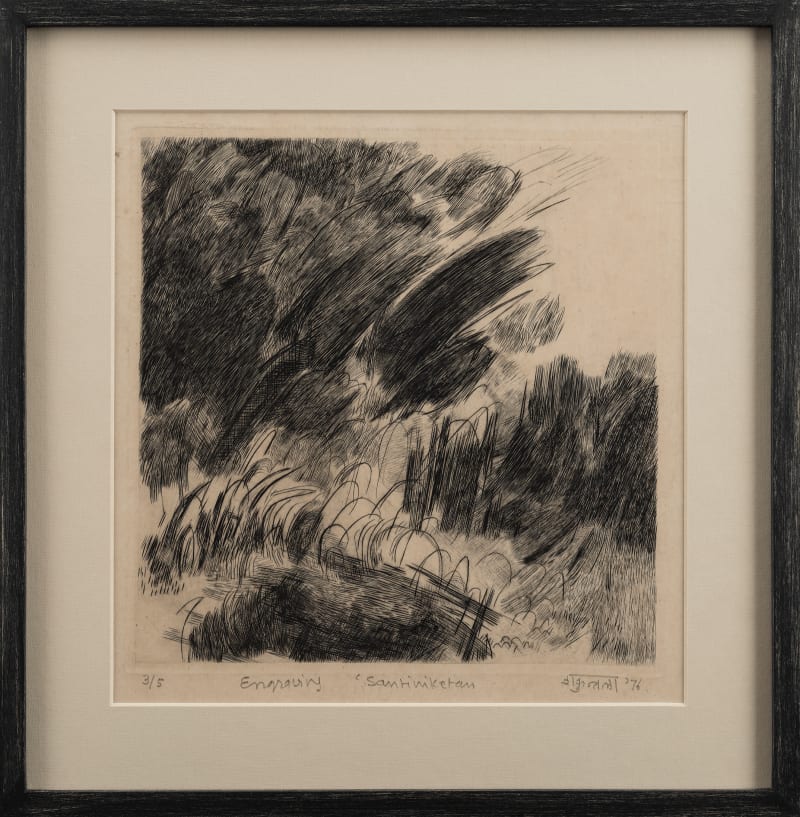
SoldUntitled ( from Shantiniketan )
Shakuntala Kulkarni
1976
Sold
 Sold
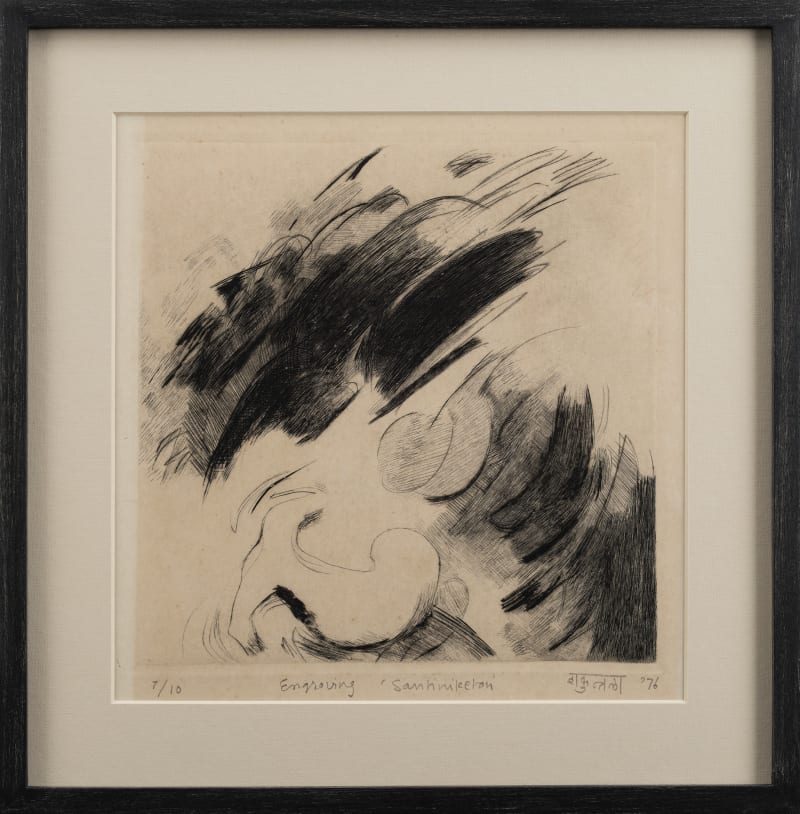
SoldUntitled ( from Shantiniketan )
Shakuntala Kulkarni
1976
Sold
 Sold
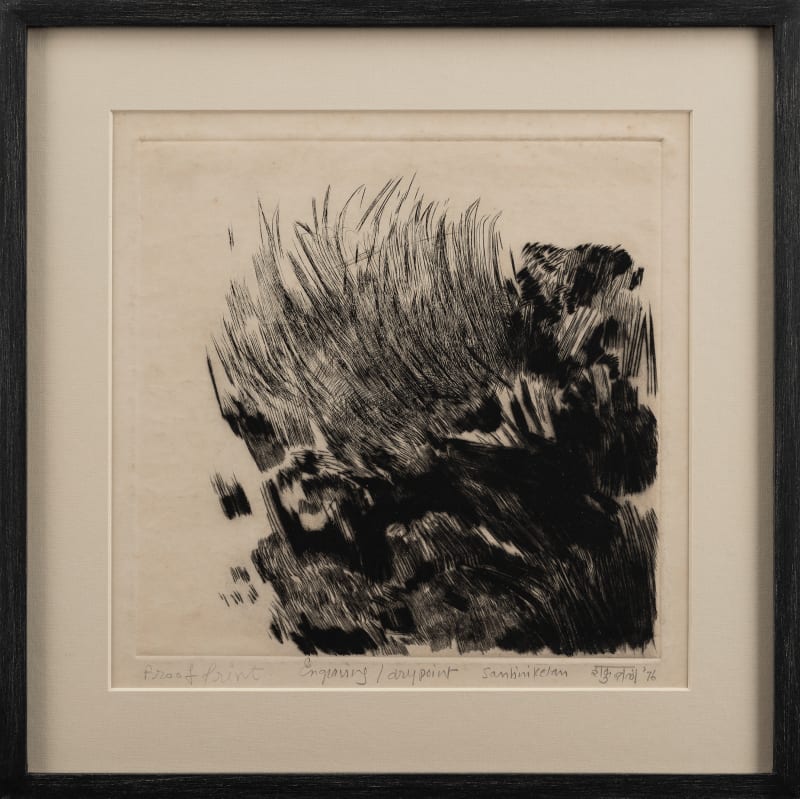
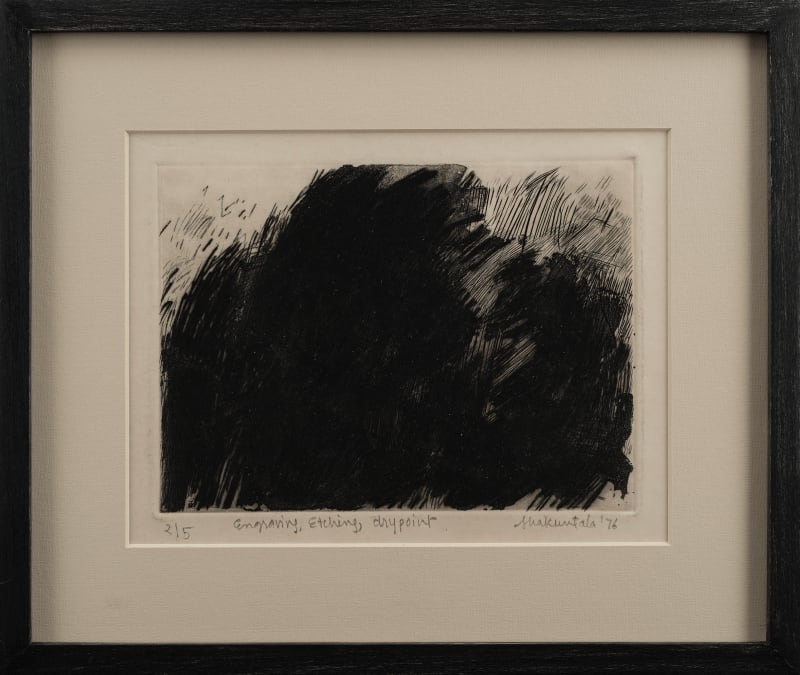
SoldUntitled ( from Shantiniketan )
Shakuntala Kulkarni
1976
Sold
 Sold
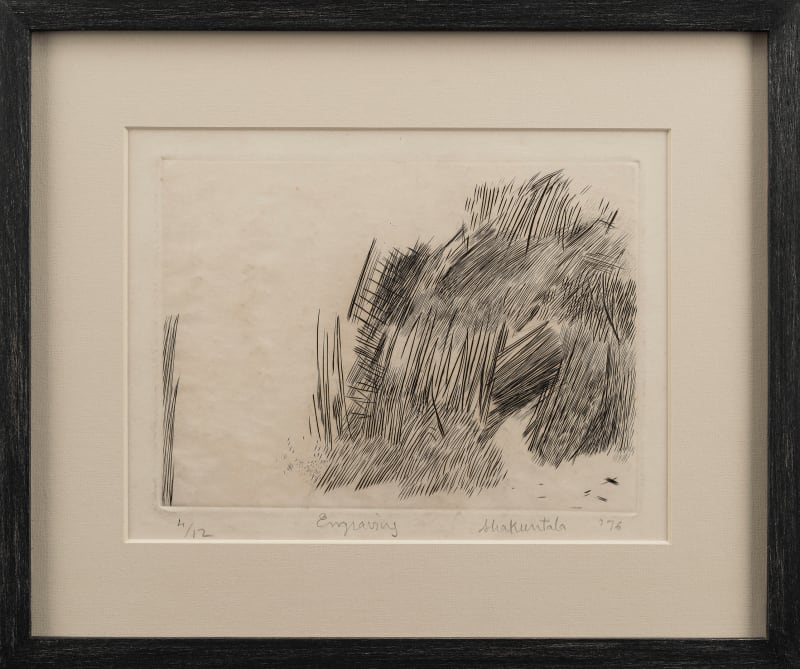
SoldUntitled ( from Shantiniketan )
Shakuntala Kulkarni
1976
Sold
 Sold
SoldUntitled ( from Shantiniketan )
Shakuntala Kulkarni
1976
Sold
Represented by
Enquire