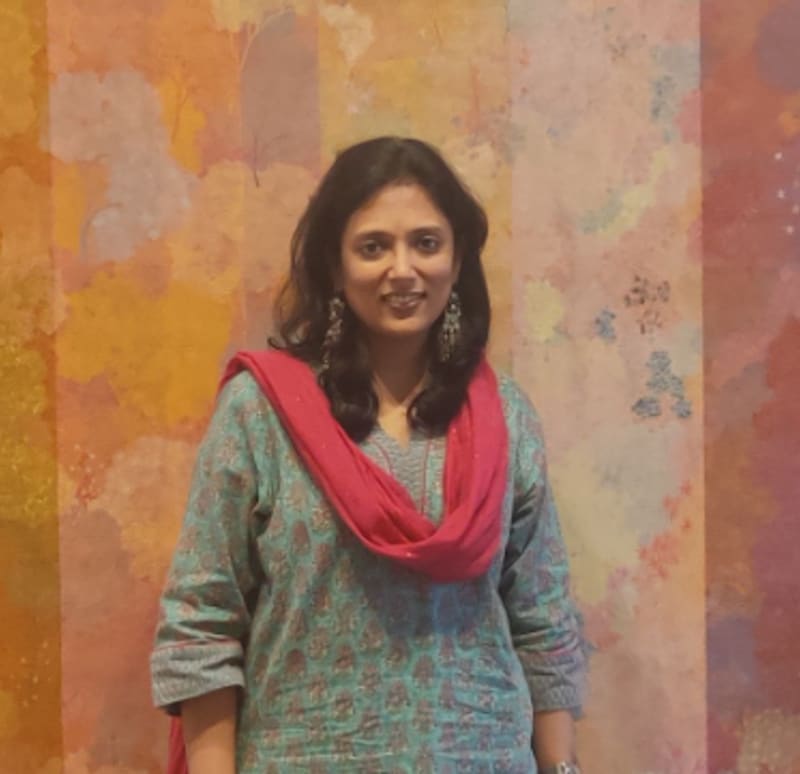
Artist
Varunika Saraf
Hyderabad · Hyderabad
Chemould Prescott Road
Hyderabad
Biography
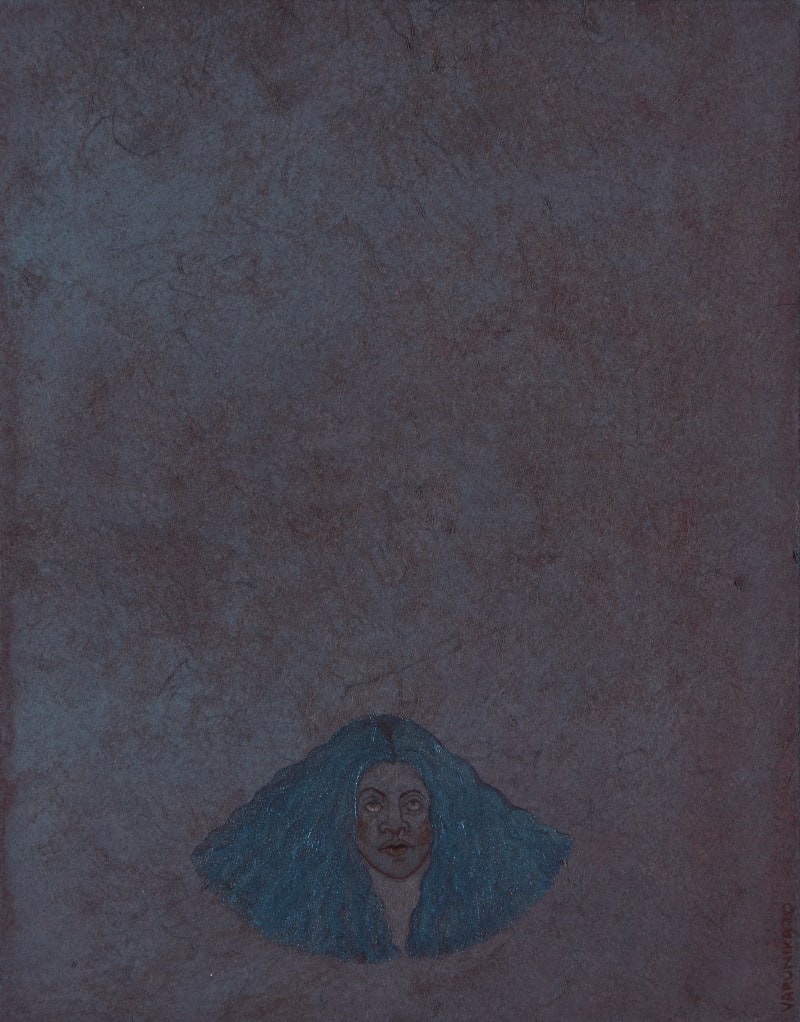
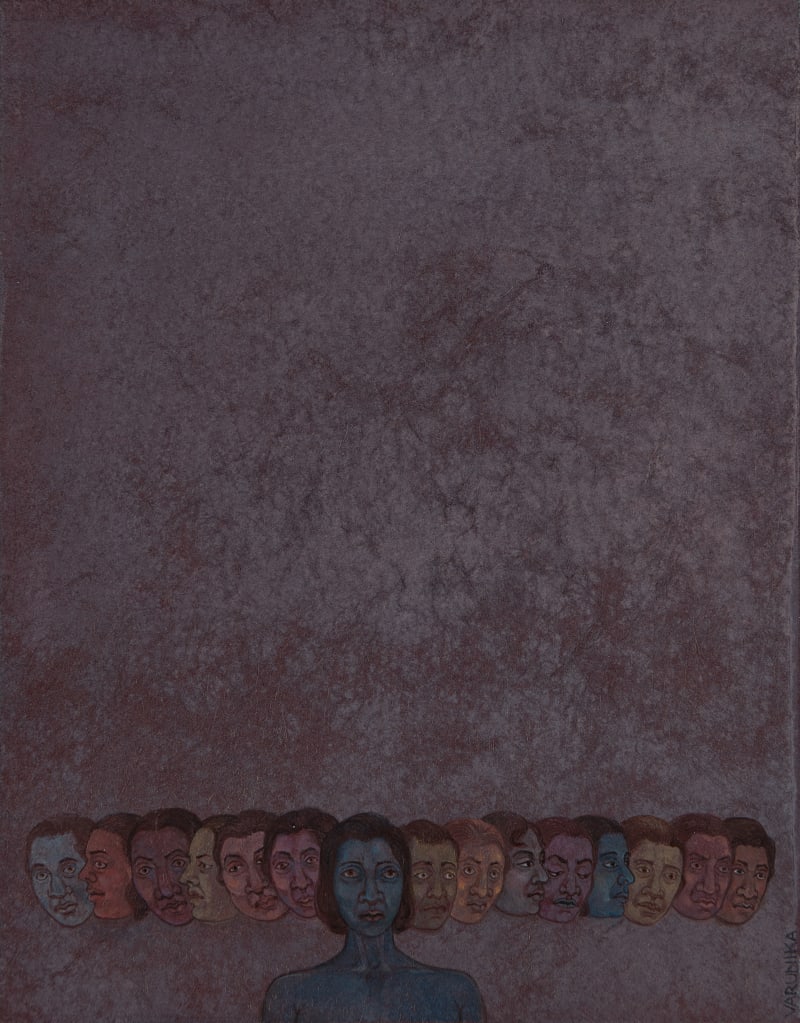
Varunika Saraf is a visual artist and art historian whose practice is rooted in an acute engagement with histories of violence, marginalisation, and resistance. Based in Hyderabad, she is known for her large-scale mixed-media works that combine rigorous archival research with exquisite painterly techniques drawn from Indo-Persian miniature traditions. Saraf’s preferred medium is wasli—a handmade paper surface historically used for Mughal painting—on which she painstakingly builds up layers of watercolour washes using natural and synthetic pigments that she grinds herself. Her richly textured surfaces incorporate a variety of artisanal techniques including embroidery, dyeing, appliqué, block printing, and collage. While visually seductive, these surfaces often mask disturbing and difficult content, exposing systems of structural violence, collective amnesia, and authoritarian control. Since the early 2000s, Saraf has employed miniature idioms not as nostalgic citation, but as conceptual tools to interrogate contemporary crises. Her works engage deeply with trauma and erasure, bringing attention to how historical processes of domination—both colonial and contemporary—are embedded in language, architecture, law, and imagery. In recent years, Saraf’s practice has turned toward the language of “apocalyptic manuscripts,” drawing on the Wunderzeichenbuch (Book of Miraculous Signs) and medieval European iconographies of catastrophe. Works such as Portents II (2020), Miasma I (2020), and Those Who Dream (2020) utilise this imaginary to respond to the climate of contemporary dread: ecological collapse, religious nationalism, and political violence. These works function as prophetic lamentations, warning of systemic dehumanisation, while simultaneously making space for acts of witness, grief, and resistance. Inspired by thinkers such as Griselda Pollock and Walter Benjamin, Saraf's practice reveals how historical memory can “agitate the present.” Her paintings are at once elegiac and insurgent—tools for remembrance as well as instruments of critique.


Represented by
Enquire